Genghis Lords of the Bow: Heated Decision
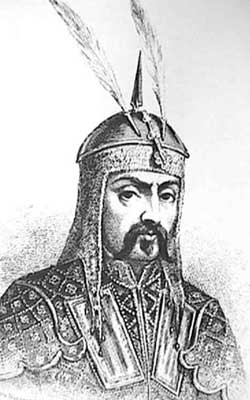
Genghis Khan faces a dilemma that may end up costing him many of his warriors’ lives. After a miserable, debilitating, dehydrating trudge through the Gobi desert, the Mongols reach the Xi Xia tribe. Genghis knows the one of the only successful methods of conquering this tribe is to cleverly lure the warriors out. The fort is heavily defended with archers on constant vigil. The khan (supreme ruler) of the tribe investigates a little box left behind by the Mongol warriors as they retreat (part of the plan). Birds fly out of the box, the signal for the Mongols to attack again. This scene is significant because even in the 1200s, human nature is not much different than today. The khan is just as curious and maybe even as greedy (he thinks there is gold and silver in the box) as humans are today. The Mongols break into the fort, despite losing many lives. The Mongols eventually conquer the fort and replenish badly depleted supplies, such as water.
The huge dilemma is when Mongol scouts venture to the actual village. The civilization is well-defended with archers ready to fire arrows at any invaders. Genghis ignores the suggestion of turning back to the desert because their water supplies are nearly gone. They had made the treacherous journey across the desert and now do not want the journey to be a waste. Genghis feels confident that they will be able to overtake the Xi Xia, and soon, before the Xi Xia could gather alliances from the equally fortified Chin civilization. As leader of the Mongols, he remains focused on his goals to unite all the north Asian nomadic tribes into one unified force. He is not known to retreat in shame because a difficult tribe is difficult to take over—he trains his warriors more to make them better fighters.


No comments:
Post a Comment